It’s with grateful hearts that 110 of us gathered in the light-filled Parish Hall of Chapel of the Cross in Chapel Hill on September 20, 2025 and experienced words of hope, palpable energy, and reconnection with each other and with nature during a time of anxiety and loss.
The Keynote Address
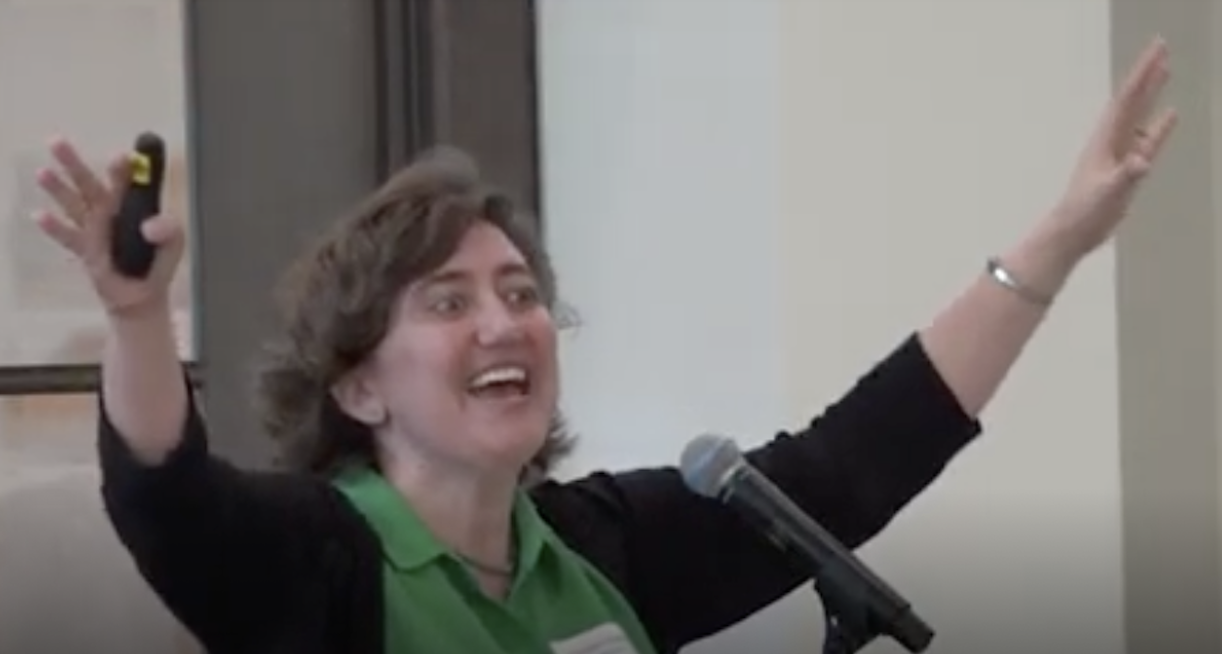
In the opening address, “Grounded Hope in the Face of Ecological Loss,” Rev. Dr. Jerusha Matsen Neal, Associate Professor of Homiletics at Duke Divinity School, looked deeply at the obstacles to hope and the promises of hope. She reminded us that our reasons for “grounded hope” are part of an “old, old story.”
The words of prophets and sacred scripture writers from many faith traditions have told of problems afflicting us and our world, and have shown us how to maintain hope. With eloquence, passion, anecdotes from cultures around the world, and engaging rhetoric Jerusha showed us a plan to grasp hope “in the face of ecological loss” today.
Jerusha said that before we get to optimism – and let’s get there – we have to look this crisis in the face, particularly as people of faith. Jeremiah 4:24 says, “I have seen the earth, and here it is wildness and waste, and I look to the heavens – and their light is gone.”
Her talk began with impediments to real hope and progress. Thinking that hope is abundant is cheap hope. There’s denial about what we’re really facing. And having too much confidence in our ability to go into communities and fix them, save them, and tell them what to do is like playing at divinity.
There’s also succumbing to despair. When Jerusha and her colleague, Biblical scholar and Professor Ellen Davis, taught a class to Duke Divinity students, many of whom were working and preaching in North Carolina congregations, they looked deeply into the many reasons it’s a challenge to preach and teach climate change in their settings – including plain old fear. “What does one say in the face of the unthinkable?”
Jerusha demonstrated that the many reasons for avoiding this topic can be faced, and preaching “Creation Care from the breadth and depth of your sacred text” is welcome and effective. There are so many texts that help us grapple with questions…like where is God during this exploitation, displacement and loss? Can God be trusted? What does faithfulness look like? And does human action matter?
For those preaching, teaching, and practicing Creation Care, Jerusha provided six steps, “takeaways,” to enable us to move successfully on a hopeful path forward.
- Re-remember the “Old, Old Story”: Our sacred texts give us story after story of hope.
- Make justice connections: Social justice and environmental justice go hand in hand.
- Honor everyday resistance: Refugia, relationships and resistance do prevail.
- Draw on spiritual disciplines: Table fellowship, communal discernment, sacraments and our unique cultural and spiritual practices lift us up.
- Renounce false optimism, reject despair, and look honestly at today and toward tomorrow: “Hope is a discipline.”
- Recommit to community: Reflect and work together for we are each other’s hope.
Jerusha is an ordained American Baptist pastor who has spent her 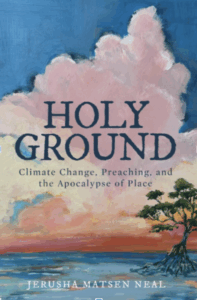 ministry preaching in cross-cultural spaces and bridging denominational communities. Her most recent book,Holy Ground: Climate Change, Preaching, and the Apocalypse of Place,engages the climate crisis through the sermons of South Pacific communities displaced by rising tides, she speaks regularly to faith communities across the country on the intersection of courage and hope in the face of the climate crisis.
The Main Presentation
John Morrison, PhD., spoke on “Causes for Optimism in the Energy Transition” and he showed why optimism is warranted. It highlighted  actions we can take to hasten the energy transition. He said that the abrupt reversal of federal policy for clean energy is unfortunate, but will not halt the transition to a clean energy future. Maturing technologies and falling costs mean that clean energy will replace fossil fueled sources of energy. It is no longer a question of “if” but rather how quickly humankind can make the change. If our government won’t lead, we as individuals and communities of faith can!
Click on the screen below to watch the video of John Morrison’s presentation.
Reconnecting with the natural world during the Convention
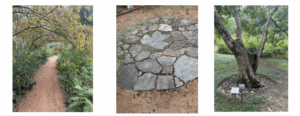
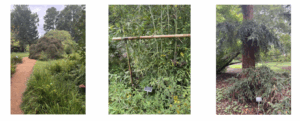
There was also time to walk and wonder, reflect and meditate in the beautiful, Coker Arboretum adjacent to the site of the Convention.
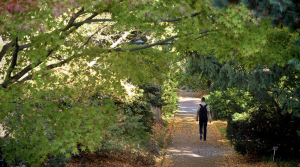
The six photos of the Arboretum below were taken by ICCT’s Erin Salisbury who, with Rev. Christian McIvor, coordinated the walk.